


Brain Rot- New Problems, New Vocab!
Many youngsters savour the “2 minute wali” Maggi more than nutritious, home-cooked food. Fast food is a hit among the youth because it gives instant gratification even though it is not healthy. That’s exactly what the numerous 30-second reels on Instagram are doing to your brain. It starts innocently. You open an app to check one notification, and suddenly, forty-five minutes have vanished into a blur of dancing trends, cooking hacks, and chaotic memes.
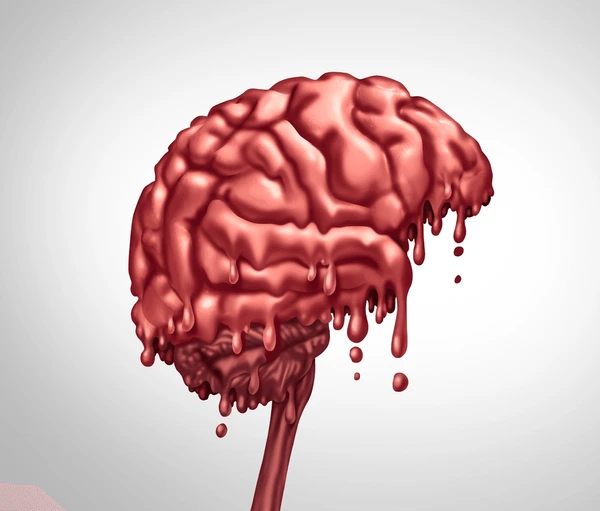
In internet culture, this state of mental exhaustion and fragmented attention is called "brain rot." While the term sounds alarming and a bit dramatic, it actually captures a very real psychological shift. Let's unpack what is happening inside our heads when we overindulge in the digital buffet.
What That One “Like” Does…
As soon as you open social media, the posts and reels trigger instant shots of dopamine in your brain. Though dopamine is a chemical associated with joy and satisfaction, its constant release is harmful in different ways. In the evolutionary past, dopamine helped our ancestors remember where to find sweet berries or clean water. Today, the algorithm has cracked that code.
The Random Reward: When you pull down to refresh your feed, you don’t know what’s coming next. It could be a hilarious comedy sketch, a shocking news clip, or a boring advertisement. This unpredictability mimics a slot machine. The brain loves unpredictability, releasing a tiny splash of dopamine every time a new video hits the screen.
Zero Friction: In the real world, dopamine requires effort. To feel the satisfaction of a good grade, a cooked meal, or a finished project, you have to work for hours or days. A 15-second reel delivers that sense of novelty instantly, with a single swipe of a thumb.
When we bombard our brains with these rapid fire, high-dopamine triggers for hours a day, our baseline changes. Real life starts to feel slow, tedious, and incredibly boring by comparison.
What Does "Brain Rot" Actually Look Like?
As an expert, I want to reassure you: your brain isn’t literally rotting or decaying. Our brains possess neuroplasticity, which is just a fancy way of saying they are highly adaptable. They mold themselves to whatever environment we place them in.
If we place our brains in an environment of constant disruption, they become exceptionally good at being distracted. Here is how that manifests in daily life:
1. The Shrinking Attention Span
Have you noticed that watching a two-hour movie now feels like a marathon? Or that you find yourself opening your phone while watching TV? Because short-form media trains the brain to expect a new stimulus every 30 seconds, sitting through a long lecture, a detailed book, or a deep conversation becomes uncomfortable.
2. The Death of Boredom (and Creativity)
Boredom gets a bad reputation, but it is actually the birthplace of creativity and self-reflection. When your mind is under-stimulated, it begins to wander, make unique connections, and solve problems. If we plug every single gap of silence or waiting time with a phone screen, we never allow our brains the quiet space they need to think deeply.
3. Mental Fatigue and "Brain Fog"
Processing hundreds of different emotional contexts in a single sitting-laughing at a meme, feeling sad about a news story, getting envious of an influencer’s vacation, all within two minutes-is exhausting. It drains our cognitive energy, leaving us feeling deeply tired yet unable to sleep.
Reclaiming Your Focus: A Realistic Blueprint
We cannot completely abandon technology; it is woven into the fabric of our education, work, and social lives. The goal isn't to become a monk and live in isolation. The goal is to move from mindless consumption to mindful consumption.
Here are a few practical, culturally relatable strategies to recalibrate your brain's reward system:
1. Delay the First Scroll
The worst time to check social media is the moment you wake up. Your brain is transitioning from sleep to wakefulness, and flooding it with dopamine immediately sets the tone for the rest of the day. Try to give yourself just 30 minutes of screen-free time in the morning. Have your tea, stretch, or look out the window first.
2. Practice the "20-Minute Rule" for Slow Media
If your attention span feels broken, you can retrain it just like a muscle. Commit to doing one single-task activity for just 20 minutes a day without looking at your phone. This could be reading a book, practicing an instrument, sketching, or even just listening to a full music album. If you feel the urge to check your phone, acknowledge it, and gently bring your attention back.
3. Create "Digital Fasting" Zones
In India, many families have traditions around fasting to cleanse the body. We can apply the same logic to our digital habits. Create physical spaces or times where phones are strictly not allowed:
The Dining Table: Make meals a phone-free zone to enjoy your food and talk to family.
The Bedroom: Charge your phone across the room rather than next to your pillow to prevent late-night scrolling.
4. Swap Consumption for Creation
The next time you feel the urge to scroll out of boredom, try to do something tactile. Bake something, fix a broken drawer, play a sport, or write your thoughts in a physical journal. Engaging your hands and your body in physical reality anchors your nervous system in a way a glass screen never can.
Final Thoughts: Treat Your Mind Like Your Body
At the end of the day, short-form digital content is the junk food of the mind. An occasional packet of instant noodles won't ruin your health, and a few minutes of watching fun reels won't ruin your brain. The danger lies entirely in making it your primary diet.
Be kind to your brain. It isn't broken; it is simply doing exactly what it was designed to do-seeking out rewards in the easiest way possible. By introducing a little bit of friction, intentional pauses, and slow, nourishing real-world experiences, you can easily guide your mind back to a state of balance, focus, and true clarity.
Unlock Your Full Potential with BrainHap
Don't let uncertainty hold you back. Discover your strengths and build a future-proof career with our AI-driven assessments.
Start Your Free Assessment